
Archeology
Infantile graveyard excavation
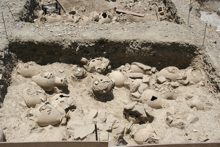
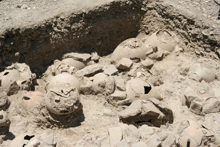
At the edge of Chora towards the southern part, at Kylindra, there is a big rescue excavation.
The only infantile graveyard in the world was found here.
A sacred place, from the Geometrical years to the Hellenistic age.
Some thousands of infants buried in pots, in an outstanding archaeological and anthropological interest.
Already, foreign and Greek archaeologists, as well as special scientists, are especially interested in these unique findings so a special museum and research centre is needed on the island.
For more information look here:
UCL Astypalaia Bioarchaeology Project
Astypalaia Bioarchaeology Field School
Excavation Vathi
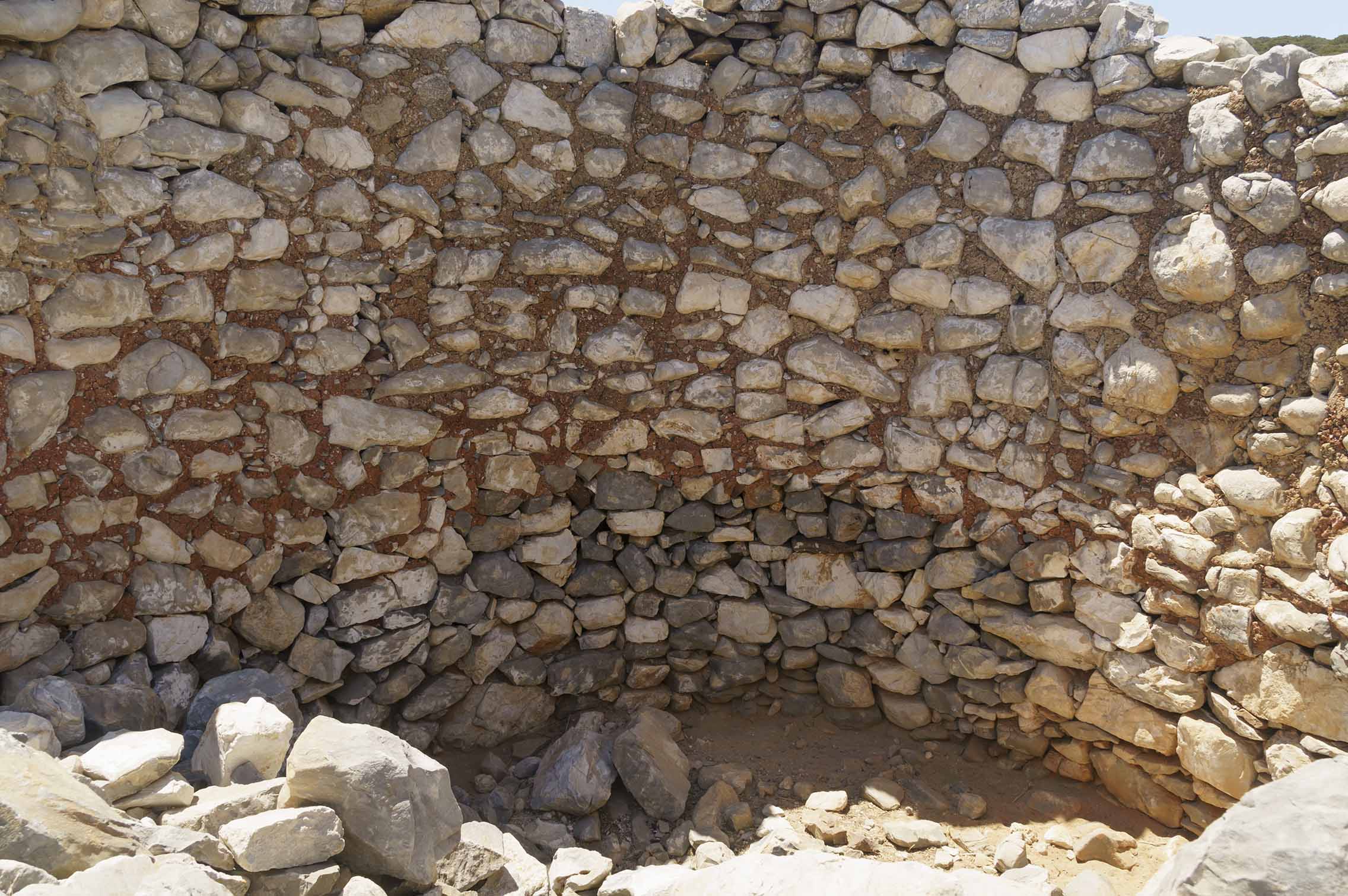
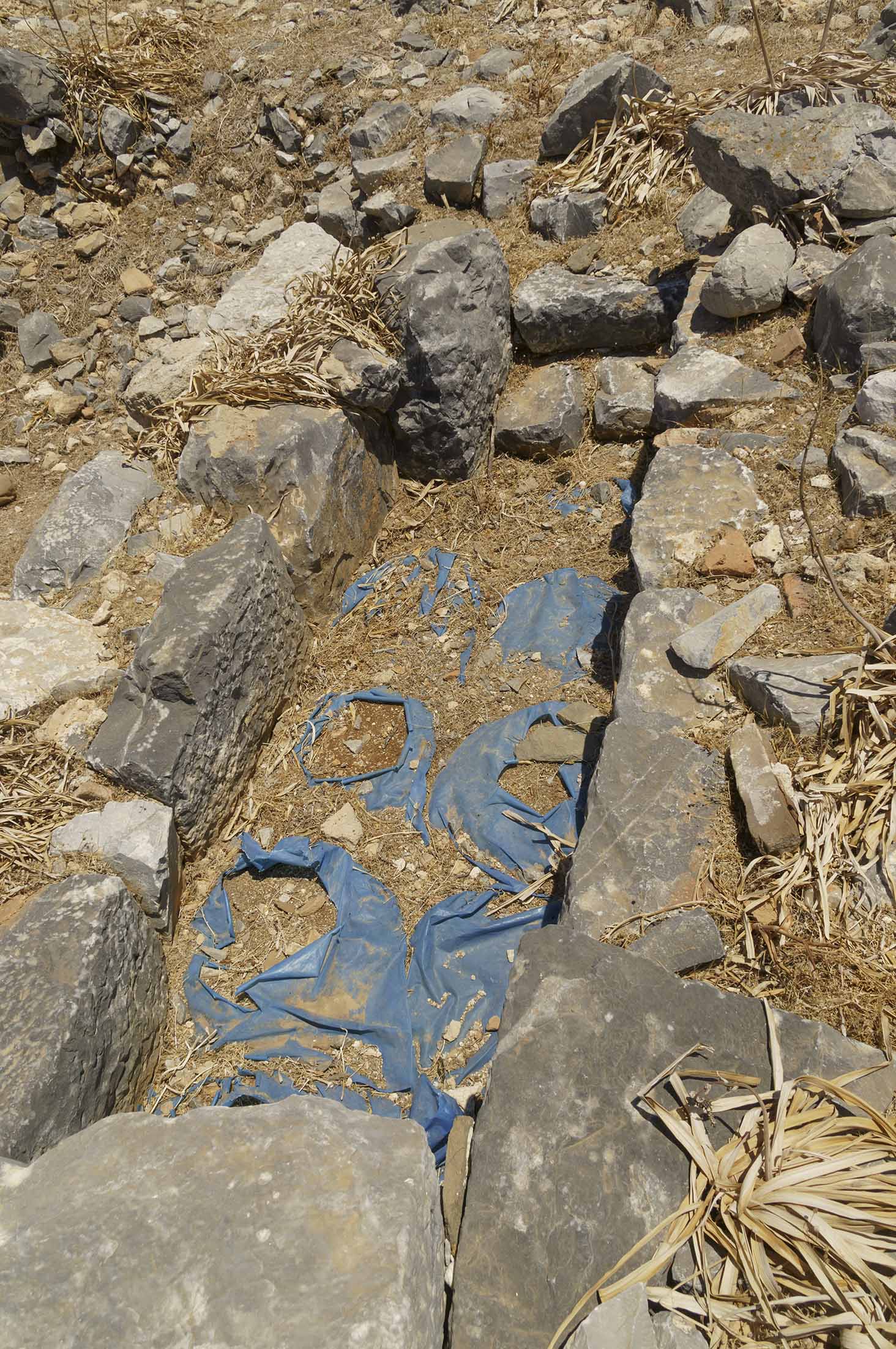
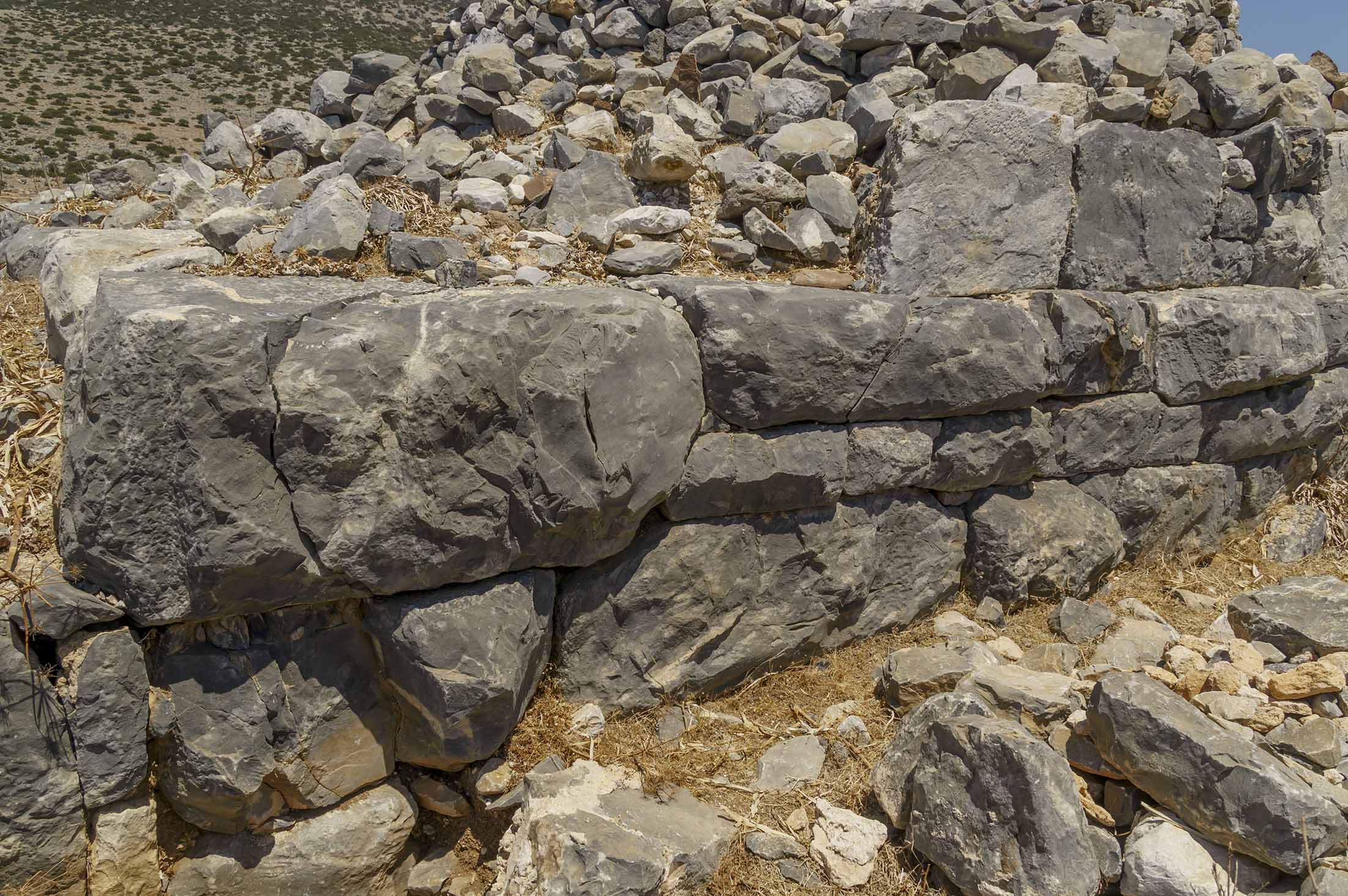
At the site of Vathy, in the exceptionally safe haven of the deep gulf of Mesa Nisi of Astypalaia, the Pyrgos Peninsula was inhabited during the transition from the Final Neolithic to the Early Bronze I period (ca 3200-2800 BC). This strategic point, which monitors the narrow sea passage and cuts off the tranquil bay from the tempestuous open sea, brought wealth to the maritime society which settled there. The fortified citadel at Vathy, with its numerous rock-art representations depicting the symbols of the community’s power (many-oared ships, daggers), but also imprinting its metaphysical concerns (spirals), has impressive boulder-built constructions, enclosures, paths and coastal installations which facilitated the mooring of boats.
In the buildings on the coast, the community buried its prematurely dead members in pots. These enchytrismoi are of special anthropological and ideological interest as they shed light on the funerary customs of the prehistoric Aegean. In the fourth century BC, a lookout tower was built on the promontory, the remains of which were subsequently incorporated in an Early Christian basilica with an interesting mosaic floor dated to the fifth century AD. Richly-furnished graves of the eleventh century document the continuing prosperity of the site. Through the important prehistoric, ancient and Christian monuments which the systematic investigations of the Archaeological Society at Athens and the University of Ioannina have brought to light, Vathy is offered to research as a diachronic polyptych of island archaeology in the Aegean.
The Astypalaia Archaeological Museum
The Astypalaia Archaeological Museum is housed in a ground-floor hall, which was granted to the Hellenic Ministry of Culture by the Ecclesiastical Charity Fund of Astypalaia in 1994. The exhibition was organized in 1995-1996 and in the following years it was improved and enriched with the special audio-visual programme (Echorama). The museum was inaugurated in September 1998.
The exhibition contains finds that cover a wide chronological range, from the prehistoric period down to medieval times. More specifically, the museum contains:
Collection of prehistoric finds: clay vases, jewellery, bronze and stone tools from chamber tombs of the Mycenaean period at the sites of Armenochori and Syngairo, which attest the prosperity of the island since the Late Bronze Age. Remarkable is the discovery in one of the graves, of numerous stone tools, probably connected with the status and the occupation of the deceased.
Treasure of silver coins of the Classical period, which was found on the island.
Collection of votive inscriptions from the sanctuaries of the island, which give information about the deities worshipped on Astypalaia in antiquity (Apollo, Artemis Lochia and Eilythieia, Asklepios and Aphrodite). Remarkable among them is a large inscribed votive base of Apollo with the marks of the feet of a monumental statue, dated to the 4th century BC.
Finds of the Classical and Hellenistic periods: architectural members (inscribed architraves), burial and votive reliefs, funerary altars, male and female statuettes and important inscriptions (funerary, votive, honorary decrees, letters from emperors and other items), which give valuable information about the history and monuments of the island. Some of the important items of the collection are:
a) Torso of a male statue wearing a himation. The garment, which is swathed around his loins, hangs from his left shoulder and is grasped in his left hand, leaving the chest bare.
b) Relief depicting a symposium. It shows a couple reclining on a couch. At the foot of the couch a female figure is seated in a chariot. Behind the couch are a small servant, a table with food and a tree with a snake coiled around it (a funerary banquet or a banquet for heroized dead persons?).
c) Relief depicting a funerary banquet. A male figure is shown on a couch, while a female figure in a chiton and himation steps on a footstool. The scene is framed by pillars supporting a cornice with antefixes.
d) Torso of a male figure wearing a cuirass, of Roman date.
e) Lower part of semi-nude female statue in one piece with the base. Her himation is wrapped around her waist and hangs in profuse folds to her feet (Aphrodite).
f) Part of a gold chaplet with leaves and fruit.
g) Stele inscribed with a sacred law regulating the conditions of entry into a sanctuary (3rd century BC).
h) Inscribed stone stele with a letter from the emperor Hadrian to the magistrates and Boule (Council) of the Knidians.
Collection of clay vases from the necropolises of Katsalos and Kilindra, dating from the Geometric until the Roman period.
Marble panels, capitals and other parts of Early Christian basilicas..
Administrative Information
Official Unit: 22nd Ephorate of Prehistoric and Classical Antiquities
Astypalaia (Prefecture of Dodekanissa)
Telephone: +30 22430 61500
Free admission days
6 March (in memory of Melina Mercouri
5 June (International Enviroment Day)
18 April (International Monuments Day)
18 May (International Museums Day)
The last weekend of September annually (European Heritage Days)
Sundays in the period between 1 November and 31 March
National Holidays
The first Sunday of every month, except for July, August and September (when the first Sunday is holiday, then the second is the free admission day.)
27 September, International Tourism Day
Reduced admission for:
Citizens of the E.U. aged over 65
Students from countries outside the E.U.
Free admission for:
Journalists
Members of the ICOM-ICOMOS
Persons possessing a free admission card
Persons under 19
Soldiers carrying out their military service
Tour guides
University students from Greece and the E.U.
Infantile graveyard excavation
At the edge of Chora towards the southern part, at Kylindra, there is a big rescue excavation.
The only infantile graveyard in the world was found here.
A sacred place, from the Geometrical years to the Hellenistic age.
Some thousands of infants buried in pots, in an outstanding archaeological and anthropological interest.
Already, foreign and Greek archaeologists, as well as special scientists, are especially interested in these unique findings so a special museum and research centre is needed on the island.
For more information look here:
UCL Astypalaia Bioarchaeology Project
Astypalaia Bioarchaeology Field School
Excavation Vathi
At the site of Vathy, in the exceptionally safe haven of the deep gulf of Mesa Nisi of Astypalaia, the Pyrgos Peninsula was inhabited during the transition from the Final Neolithic to the Early Bronze I period (ca 3200-2800 BC). This strategic point, which monitors the narrow sea passage and cuts off the tranquil bay from the tempestuous open sea, brought wealth to the maritime society which settled there. The fortified citadel at Vathy, with its numerous rock-art representations depicting the symbols of the community’s power (many-oared ships, daggers), but also imprinting its metaphysical concerns (spirals), has impressive boulder-built constructions, enclosures, paths and coastal installations which facilitated the mooring of boats.
In the buildings on the coast, the community buried its prematurely dead members in pots. These enchytrismoi are of special anthropological and ideological interest as they shed light on the funerary customs of the prehistoric Aegean. In the fourth century BC, a lookout tower was built on the promontory, the remains of which were subsequently incorporated in an Early Christian basilica with an interesting mosaic floor dated to the fifth century AD. Richly-furnished graves of the eleventh century document the continuing prosperity of the site. Through the important prehistoric, ancient and Christian monuments which the systematic investigations of the Archaeological Society at Athens and the University of Ioannina have brought to light, Vathy is offered to research as a diachronic polyptych of island archaeology in the Aegean.
The Astypalaia Archaeological Museum
The Astypalaia Archaeological Museum is housed in a ground-floor hall, which was granted to the Hellenic Ministry of Culture by the Ecclesiastical Charity Fund of Astypalaia in 1994. The exhibition was organized in 1995-1996 and in the following years it was improved and enriched with the special audio-visual programme (Echorama). The museum was inaugurated in September 1998.
The exhibition contains finds that cover a wide chronological range, from the prehistoric period down to medieval times. More specifically, the museum contains:
Collection of prehistoric finds: clay vases, jewellery, bronze and stone tools from chamber tombs of the Mycenaean period at the sites of Armenochori and Syngairo, which attest the prosperity of the island since the Late Bronze Age. Remarkable is the discovery in one of the graves, of numerous stone tools, probably connected with the status and the occupation of the deceased.
Treasure of silver coins of the Classical period, which was found on the island.
Collection of votive inscriptions from the sanctuaries of the island, which give information about the deities worshipped on Astypalaia in antiquity (Apollo, Artemis Lochia and Eilythieia, Asklepios and Aphrodite). Remarkable among them is a large inscribed votive base of Apollo with the marks of the feet of a monumental statue, dated to the 4th century BC.
Finds of the Classical and Hellenistic periods: architectural members (inscribed architraves), burial and votive reliefs, funerary altars, male and female statuettes and important inscriptions (funerary, votive, honorary decrees, letters from emperors and other items), which give valuable information about the history and monuments of the island. Some of the important items of the collection are:
a) Torso of a male statue wearing a himation. The garment, which is swathed around his loins, hangs from his left shoulder and is grasped in his left hand, leaving the chest bare.
b) Relief depicting a symposium. It shows a couple reclining on a couch. At the foot of the couch a female figure is seated in a chariot. Behind the couch are a small servant, a table with food and a tree with a snake coiled around it (a funerary banquet or a banquet for heroized dead persons?).
c) Relief depicting a funerary banquet. A male figure is shown on a couch, while a female figure in a chiton and himation steps on a footstool. The scene is framed by pillars supporting a cornice with antefixes.
d) Torso of a male figure wearing a cuirass, of Roman date.
e) Lower part of semi-nude female statue in one piece with the base. Her himation is wrapped around her waist and hangs in profuse folds to her feet (Aphrodite).
f) Part of a gold chaplet with leaves and fruit.
g) Stele inscribed with a sacred law regulating the conditions of entry into a sanctuary (3rd century BC).
h) Inscribed stone stele with a letter from the emperor Hadrian to the magistrates and Boule (Council) of the Knidians.
Collection of clay vases from the necropolises of Katsalos and Kilindra, dating from the Geometric until the Roman period.
Marble panels, capitals and other parts of Early Christian basilicas..
Administrative Information
Official Unit: 22nd Ephorate of Prehistoric and Classical Antiquities
Astypalaia (Prefecture of Dodekanissa)
Telephone: +30 22430 61500
Free admission days
6 March (in memory of Melina Mercouri
5 June (International Enviroment Day)
18 April (International Monuments Day)
18 May (International Museums Day)
The last weekend of September annually (European Heritage Days)
Sundays in the period between 1 November and 31 March
National Holidays
The first Sunday of every month, except for July, August and September (when the first Sunday is holiday, then the second is the free admission day.)
27 September, International Tourism Day
Reduced admission for:
Citizens of the E.U. aged over 65
Students from countries outside the E.U.
Free admission for:
Journalists
Members of the ICOM-ICOMOS
Persons possessing a free admission card
Persons under 19
Soldiers carrying out their military service
Tour guides
University students from Greece and the E.U.
 Infantile graveyard excavation
 Infantile graveyard excavation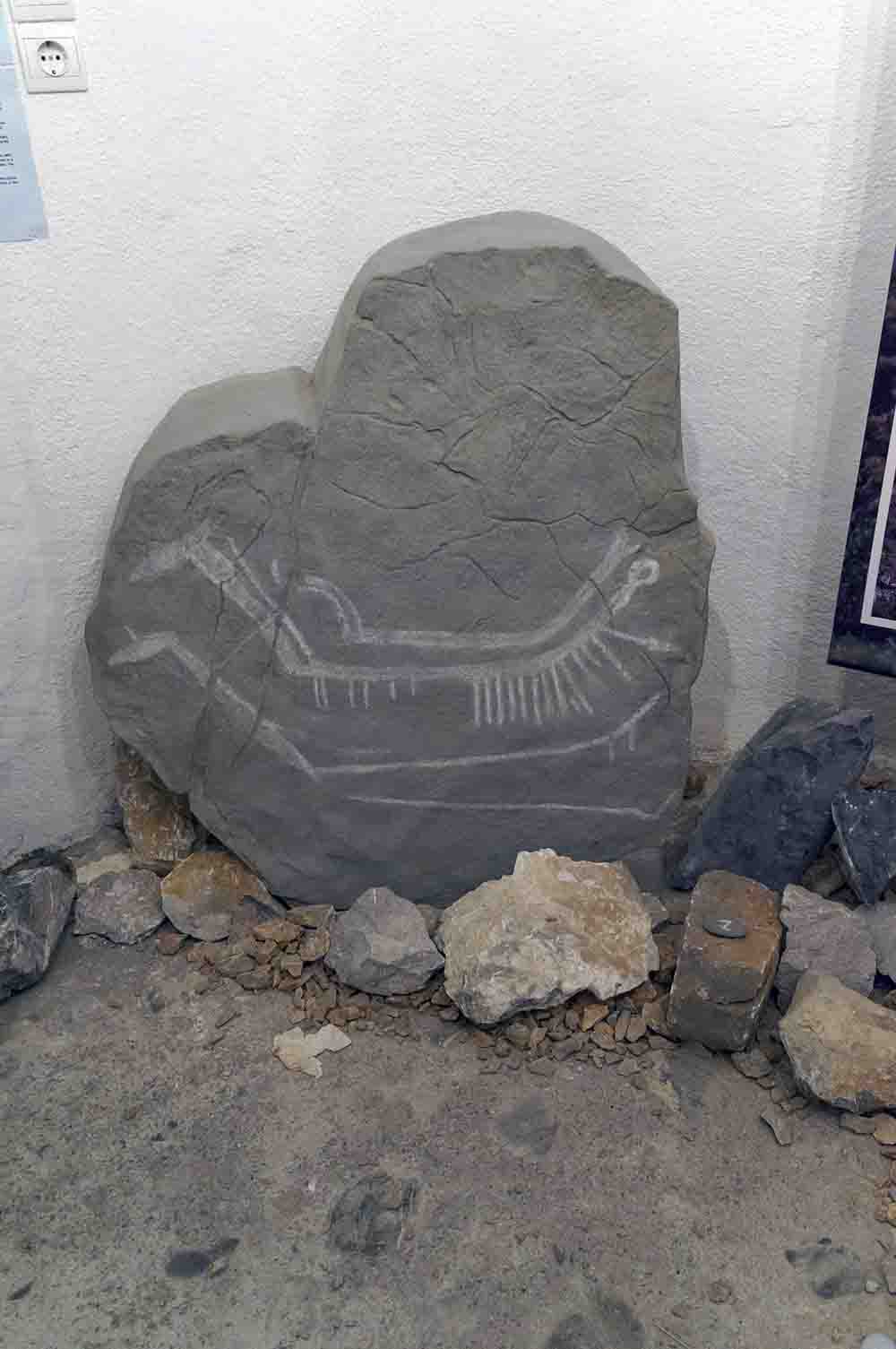
 Excavation Vathi (Copy)
 Excavation Vathi
 Excavation Vathi"
 Excavation Vathi
 Archeological museum at Pera Gialos
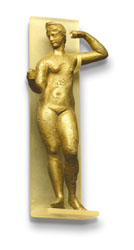 Copper statue of Venus, find from third Marmari / Roman era
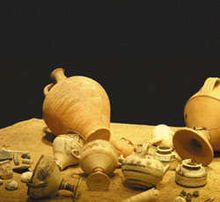 Finds from the canopy graves at Armenochori